

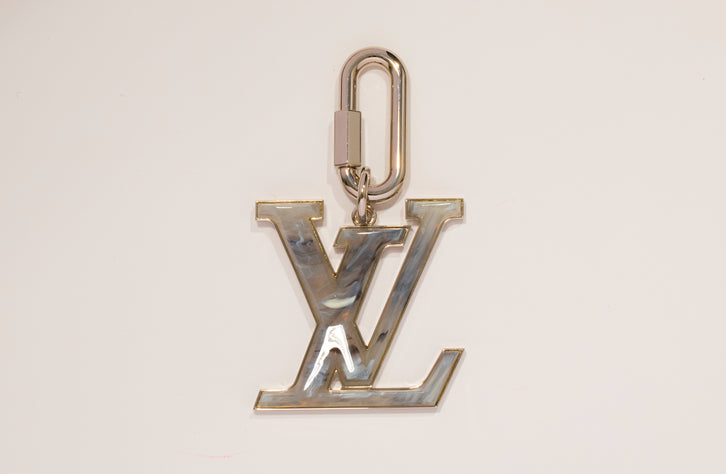

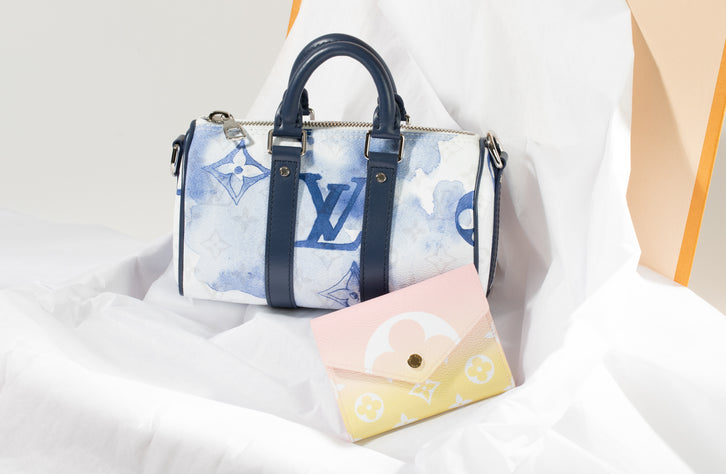


When you hear the name Louis Vuitton, you probably picture one of the brand’s notable bags or leather goods, such as the Neverfull or one of the Pochette bags. You likely don’t think of the man behind the Louis Vuitton brand.
Louis Vuitton was more than just a designer, he was a visionary who redefined luxury travel and fashion. From humble beginnings to global icon status, his name endures as a symbol of elegance and sophistication. As trends come and go, Louis Vuitton remains a benchmark for excellence, proving that true luxury is timeless.
Let’s delve into the history of Louis Vuitton and how his legacy continues to shape the luxury fashion industry today.
What Is The Story Behind Louis Vuitton?
The Early Days
Vuitton was born in 1821 in Anchay, a small village in eastern France. At just 13 years old, he set out on foot to Paris, a journey of more than 250 miles.
Arriving in the city, he apprenticed under a master trunk maker, Romain Maréchal, and quickly gained a reputation for his skill and attention to detail. His expertise in crafting high-quality trunks would lay the foundation for his future success.

When Was Louis Vuitton Founded?
In 1854, Louis Vuitton opened his own workshop in Paris, specializing in custom trunks and travel cases.
At a time when travel was becoming more common among the wealthy, Vuitton’s innovative flat-top trunk design revolutionized luggage. As demand grew, he opted to relocate and opened a new workshop in Asnières for more space.
Unlike traditional dome-shaped trunks, Vuitton’s creations were stackable and made from lightweight yet durable materials. His signature gray Trianon canvas offered superior protection against the elements.
Demand for Louis Vuitton trunks fell in the early 1870s as a result of the Franco-Prussian war. Vuitton had to rebuild everything he had created after his workshop was left in complete disrepair after the war. It didn’t take long for him to build himself and his beloved brand back up.
As demand for his trunks grew, the brand continued to innovate. In 1876, the striped canvas patterns were introduced to prevent counterfeiting, followed by the iconic Damier canvas in 1888.
However, it was the creation of the LV monogram in 1896, which was designed by his son, Georges Vuitton, that cemented the brand’s status as a symbol of luxury.
The monogram, featuring motifs and the intertwined ‘LV’, remains one of the most recognizable patterns in fashion history.
Expansion & Global Recognition
Following Louis Vuitton’s passing in 1892, Georges took over the company and expanded it internationally. He showcased the brand at the 1893 Chicago World’s Fair, introducing it to the American market. By the early 20th century, LV was the preferred luggage maker for aristocrats, celebrities, and world travelers.
Throughout the decades, the brand continued to innovate, adapting to the changing demands of fashion while maintaining its commitment to quality. In the mid-20th century, Louis Vuitton introduced leather handbags and accessories, expanding beyond trunks and luggage. The Speedy and Keepall bags became instant classics, loved for their craftsmanship and practicality.

Louis Vuitton Now
The late 20th and early 21st centuries saw Louis Vuitton evolve into a global fashion powerhouse. Under the leadership of designers like Marc Jacobs, the brand introduced ready-to-wear collections, artistic collaborations, and trendsetting accessories. High-profile partnerships with artists such as Takashi Murakami and Jeff Koons further cemented its cultural status.
Today, Louis Vuitton is a key component of LVMH, the world’s largest luxury goods conglomerate. With stores in over 50 countries, the brand continues to push boundaries while staying true to its heritage.
The LV Legacy
More than a century after his passing, Vuitton’s legacy lives on. His commitment to innovation, craftsmanship, and exclusivity remains at the heart of the brand. Whether through classic monogrammed bags, modern streetwear collaborations, or bespoke travel pieces, Louis Vuitton continues to define luxury fashion.
Is Louis Vuitton Owned By The Vuitton Family?
No, the Vuitton family does not own Louis Vuitton anymore. It is currently owned by LVMH (Moët Hennessy Louis Vuitton), a multinational luxury goods company.

How Old Would Louis Vuitton Be Today?
He would be 2023 years old.
How To Say Louis Vuitton?
loo·ee vuh·ton
Where To Buy Louis Vuitton?
Ready to embrace the heritage of Louis Vuitton? Shopping from a reputable resale marketplace, such as myGemma, offers unique advantages, including better pricing and access to rare or sold-out pieces. It’s a great opportunity to shop the fashion house’s archives.
If you’re looking to invest in a timeless Louis Vuitton piece, explore our collection of authenticated designer handbags and accessories at unbeatable prices. Every item is rigorously authenticated by our in-house experts.
When you shop pre-loved luxury, you can get the best quality items for the best prices. It allows you to enjoy significant savings compared to retail prices while promoting a circular economy by giving high-end fashion a second life.
How To Sell Louis Vuitton Online?
Fallen out of love with your Louis Vuitton accessories? Make space in your collection by selling or consigning.
With myGemma you can experience the full resale experience, whether you want to trade in, sell, or consign. Whichever selling path you choose, the process is simple.
To sell or consign, start by filling out our online form. A member of the team will be in touch with a price quote. Earn more by consigning, or if you need a super speedy payment you can sell to us directly.