



Since founding myGemma in 2012, Andrew Brown has watched luxury resale evolve from a fragmented niche into an increasingly mainstream part of the luxury ecosystem. Drawing on more than 14 years in the industry and data from more than 500,000 authenticated luxury items, Brown shares his perspective on resale value, authentication, consumer behavior, sustainability and the future of pre-owned luxury.
Key Takeaways
- Luxury resale has become increasingly mainstream: Consumer attitudes toward pre-owned luxury have changed significantly over the past decade, with resale increasingly viewed as a way to access scarce products and better prices.
- Hermès and Van Cleef & Arpels are among the strongest luxury brands for resale value: Based on myGemma's internal resale data, these brands are among the strongest performers for value retention.
- Five factors influence luxury resale value: Brand, collection, condition, age, and collateral such as receipts, certificates, and original packaging.
- Authentication is becoming more challenging: Counterfeits have become increasingly sophisticated, making experienced human authentication an important part of the resale process.
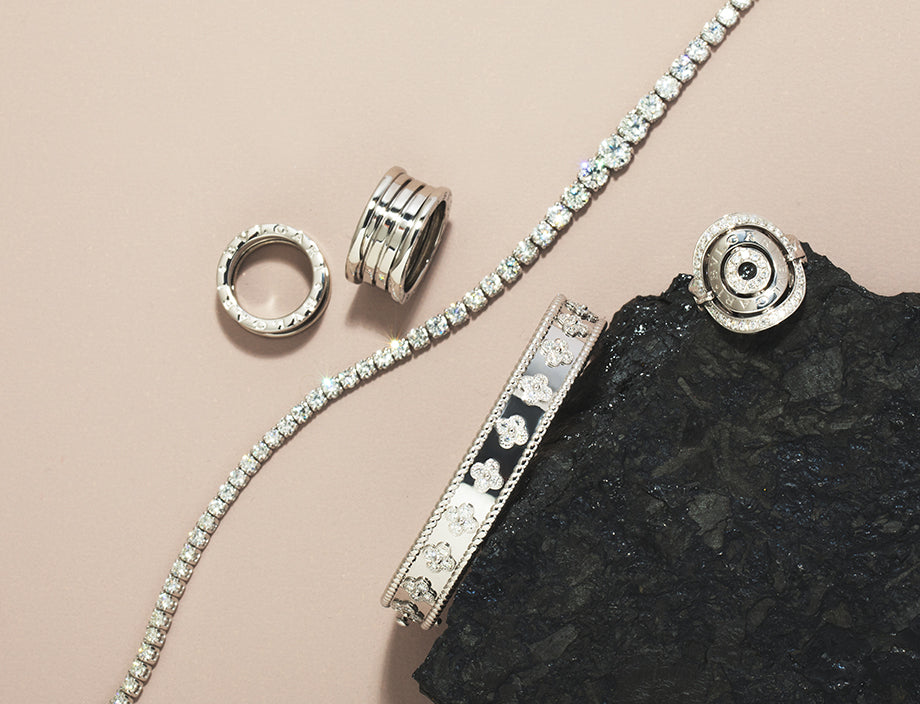
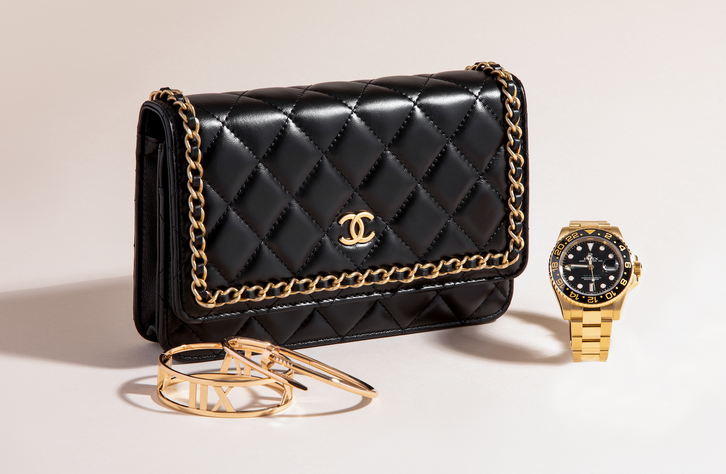
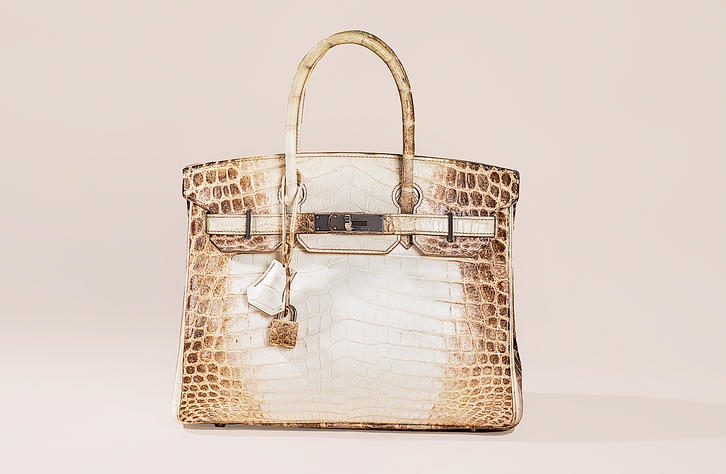
- The most frequently sold items at myGemma include: Louis Vuitton Neverfull bags, Cartier LOVE bracelets, Tiffany engagement rings, Van Cleef & Arpels Alhambra bracelets, Hermès Birkin and Kelly bags, and Chanel Double Flap bags.
- Sustainability is an important part of resale: myGemma plants a tree for every purchase and sale and removes 10 plastic bottles from the ocean for every customer purchase.
- Resale is becoming part of the ownership lifecycle: Consumers increasingly consider resale value when deciding what luxury items to buy.
What inspired you to start myGemma?
Prior to myGemma, my business partner and I ran a B2B jewelry company where we were buying jewelry from retail jewelers, pawnbrokers, and other wholesalers.
We then decided we should go direct to consumers. We specifically noticed that there was a gap in the market for selling designer goods in a fast, easy, transparent and trustworthy environment.
Customers were buying luxury goods from luxury brands, but had limited and unappealing options when it came to selling. They could navigate selling online to unknown individuals (which felt dubious at best), or explore local options (pawnbrokers or consignment stores) with long selling times, high fees, and low prices (typically due to a lack of luxury brand expertise or because they had limited distribution).
Our goal was to provide a fairer, more streamlined, polished and refined solution to consumer luxury resale needs.
How has the luxury resale industry changed since you launched the company?
Back then, the vast majority of the industry constituents were small, mom & pop type operations, and still are today. It’s very fragmented. However, there are now a handful of medium to large players in the space providing very professional solutions.
Consumers need to, and should, do a good deal of research before transacting, unless they have found and are comfortable with their ‘partner’. Review the websites and read customer reviews!

What problem were you trying to solve that wasn't being addressed by traditional luxury retailers?
Luxury retailers weren't (and almost entirely still do not) offer resale, trade-ins, trade-ups, etc. At myGemma, we provide:
1. Access to product: whether it be a vintage item that's no longer available in store, or a scarce item that is never found in store
2. Meaningful savings: most products are listed at a material discount to retail price.
What differentiates myGemma from other resale platforms?
Our reviews. We have a 4.9 star rating on TrustPilot and 4.8* on Google. No one else comes close. If you read these reviews, you will hear about amazing customer service, fair pricing, professionalism, great condition product, fast quotes and payment, etc. We put the customer first. Happy customers come back.
What are the biggest trends you're seeing in luxury resale today?
Livestream sales! That's not just a resale thing, it's an e-commerce thing.
Another trend we see is that everyone is buying in Japan and selling into the US (except myGemma). We buy from consumers within the US and sell back to US consumers.
Which luxury brands are seeing the strongest demand right now?
Van Cleef & Arpels, Cartier, Chanel, Louis Vuitton.

How have consumer attitudes toward pre-owned luxury changed over the past decade?
It's almost night and day. Many of our customers are repeat customers who, 3 or 5 years ago, had never considered buying at resale. Now, it's second nature. Not just to capture a deal, but to find an item that isn't readily available elsewhere. The stigma has well and truly ‘left the building’.
Based on myGemma's data, which luxury brands retain value best?
According to myGemma's 2026 Luxury Resale Index, Hermès and Van Cleef & Arpels are among the strongest-performing luxury brands in the secondary market. Analysis of more than 500,000 authenticated luxury items provides a first-party view of resale performance across handbags and fine jewelry.
What factors have the greatest impact on resale value?
The five biggest factors affecting luxury resale value are:
1. Brand: Certain brands hold more value than others, specifically Hermès, Van Cleef & Arpels, and Chanel.
2. Collection: For example, Hermès Birkins and Kellys.
3. Condition: The better the condition the item is in, the more valuable it is.
4. Age: Some vintage pieces are in high demand, some newer pieces are in high demand. It simply depends.
5. Collateral (receipt, certificate/papers, box, etc.): This also adds value."
What are the biggest challenges in authenticating luxury goods today?
The declining quality of manufacturing among even some of the top brands. The quality control department is, seemingly, sometimes skipped! So, when you see a shoddily made piece, you quickly surmise that it is counterfeit, but then the customer produces the receipt and info from their brand salesperson, so you know they did buy it from the brand.
Nevertheless, we still reject the item because our customers are often quite discerning and would question the quality control on the item, as we did.

How has counterfeit sophistication evolved over the years?
Like most industries, there are constant improvements in product innovation. Counterfeiters improve their stitching, replication of labels, use of microchips, etc.
They have become more sophisticated. They know the expected smell of a Louis Vuitton or an Hermès, so they try to remove the glue smell of yesterday's counterfeits. They know where to place the label, what fonts to use, etc.
As such, we work harder than ever to guarantee the authenticity of every item on our website. We take authentication extremely seriously; it is the backbone of our business.
Why is human expertise still important in luxury authentication?
At myGemma, we use the five senses (and decades of experience), with assistance from technology. The smell of the Louis Vuitton material or the Hermès leather is not something AI can (yet) handle, for example, nor does a photograph input into AI denote the metal components of the bag's hardware.
Why do people choose resale instead of buying new?
We believe there are three primary reasons:
1. Selection and access to product: We carry items from certain collections that simply aren't available if you were to walk into the brand store.
2. Price: Most items at myGemma are for sale at a significant discount to retail, so even aspirational buyers can find something affordable.
3. Sustainability: Not only are we prolonging the lives of these items (so the brand doesn't have to keep making them), but, at myGemma, we go one (or two) steps further.
- We plant a tree for every purchase and every sale we make.
- We remove 10 plastic bottles from the ocean for every purchase a customer makes.

What are the most common reasons customers decide to consign versus sell outright?
If you aren't in a rush for the cash, then people might opt for consignment. We typically pay 15-25% more on a consignment than on an outright purchase. The downside is that you have to wait for the item to sell first. That being said, more than 80% of our listings sell within 40 days.
How does luxury resale contribute to sustainability?
Luxury resale is inherently sustainable. It recycles existing goods back into the market, with no new production involved.
We take our commitment to sustainability one step further at myGemma. We plant a tree for every purchase and every sale we make on the website, and remove 10 plastic bottles from the ocean for every purchase a customer makes.
What role will resale play in the future of luxury fashion?
Luxury isn't becoming less exclusive; it's becoming more dynamic. And resale will be at the center of that evolution. This is for two reasons:
1. Ownership with optionality: At myGemma, we see luxury ownership becoming more circular. Customers are no longer purchasing a handbag or piece of jewelry with the expectation that it will sit in a closet forever. They're thinking about long-term value: What will it be worth in five years? Can I trade it in for something new? How easily can I sell it when my style evolves?
Today’s luxury consumer is more informed and value-conscious than ever before. They expect transparency, authenticity, and flexibility in how they buy and sell. As a result, resale is becoming a fundamental part of the luxury ecosystem. Consumers will seamlessly move between buying, selling, and consigning throughout their lifetime, treating luxury items not only as personal purchases but as assets.
2. Sustainability: Resale is the only way to address sustainability meaningfully. The beauty of luxury bags and jewelry is that they are built to last, and as such, you do not have to buy new. With an ever-growing focus on buying responsibly, luxury resale is inherently sustainable: sourcing quality products, designed to last, with no new production involved.
Luxury brands have spent decades building desirability, honing craftsmanship, and leveraging scarcity, qualities that naturally lend themselves to a thriving secondary market. In many ways, resale reinforces the value of luxury by extending the life of exceptional pieces.
As resale continues to grow, trust will become even more important. Authentication, transparency, and expert guidance will differentiate the leaders in the space. At myGemma, we've built our business around these principles for more than 14 years, helping customers confidently participate in the circular luxury economy.

What are the most frequently sold luxury items through myGemma?
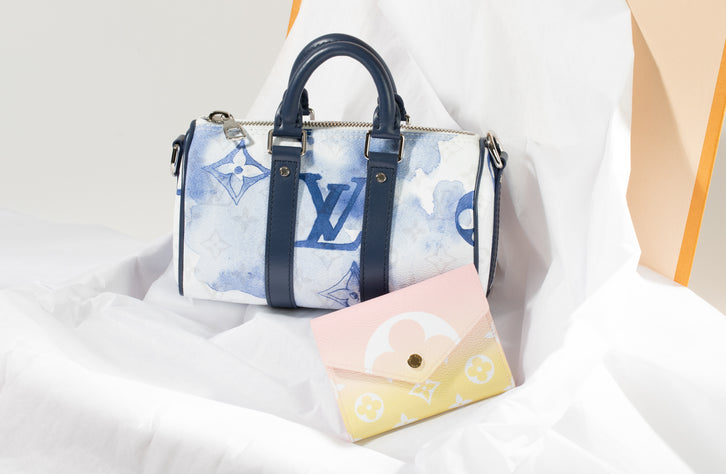
- Louis Vuitton Neverfulls
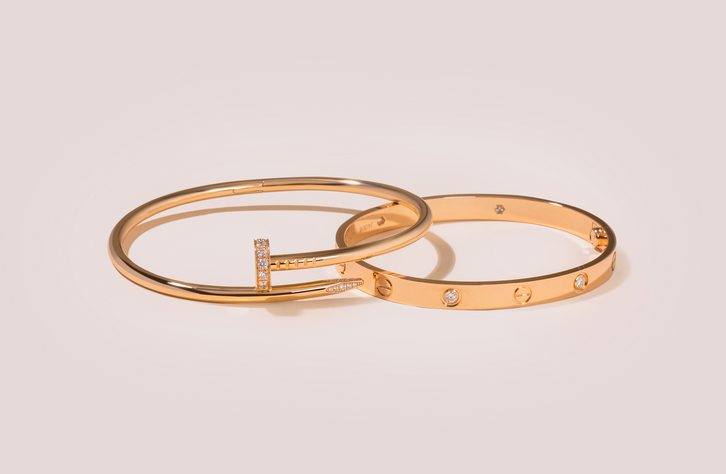
- Cartier LOVE bracelets
- Tiffany engagement rings
- Van Cleef & Arpels Alhambra bracelets
- Chanel Double Flap bags
- Hermès Birkin & Kelly bags
What advice would you give someone buying their first luxury piece?
Do your research. Below are the top 4 aspects to look at:
1. The company's reviews
2. The return policy: some resellers offer only final sale on handbags, for example
3. Product photos and condition comments to make sure everything is noted
4. Product pricing across resellers (there can be quite a range)
What advice would you give someone looking to sell luxury items for the first time?
The key thing is to check the company's reviews. Make sure their sellers are happy. Consistency is key.
Why is luxury resale growing so quickly?
We believe that luxury resale continues to grow in popularity because of:
1. Access to hard-to-find goods: especially true for Birkins and Kellys. You simply cannot just walk into an Hermès store and purchase the Birkin or Kelly you want. You have to have a long-standing relationship, a history of purchasing, and then you are put on a weight list and might eventually be offered a Birkin or Kelly. But you will not likely get a say in color, size, etc. Luxury resale democratizes access to luxury goods.
2. Price: We offer meaningful discounts to retail on a wide selection of our items.
3. Sustainability: Luxury resale offers a sustainable way to shop luxury. And at myGemma, we take that one step further by planting a tree for every purchase and every sale made on the website, and removing 10 plastic bottles from the ocean for every purchase a customer makes.

Is luxury resale recession-proof?
Simply put, yes!
From a supply-side perspective, people always need cash or have to/want to sell to trade-up, cash in an inheritance, keep up with the latest fashion, etc. So, we never have too few sellers, even when times are tough.
From a sell-side perspective, the situation is similar: more people are looking for a bargain (a discount to retail), and while in some other areas, sustainability might take a back seat to more economical/frugal purchases, myGemma continues to plant trees for every transaction and remove 10 plastic bottles from the ocean for every sale.
What's the biggest myth about luxury resale?
Certainly, at myGemma and the very largest resellers, the notion of fakes being prevalent is absolutely a myth. We are putting our capital at risk every minute of every day buying this product, so we want to make sure that what we are buying and then reselling is legitimate.
About myGemma: Luxury Resale Company
myGemma is a luxury resale company specializing in authenticated pre-owned luxury handbags, fine jewelry, and accessories. Founded in 2012, myGemma has authenticated more than 500,000 luxury items and provides consumers with options to buy, sell, and consign luxury goods. The company buys and sells designer brands including Hermès, Chanel, Louis Vuitton, Cartier, Van Cleef & Arpels, and Tiffany & Co.
- Founded: 2012
- Luxury items authenticated: 500,000+
- Industry experience: 14+ years
- Direct selling fees: $0
- Average employee tenure: 7.5 years
- Repeat customers: 50%+
- GIA-trained gemologists
- Human-led authentication